Back brokenews
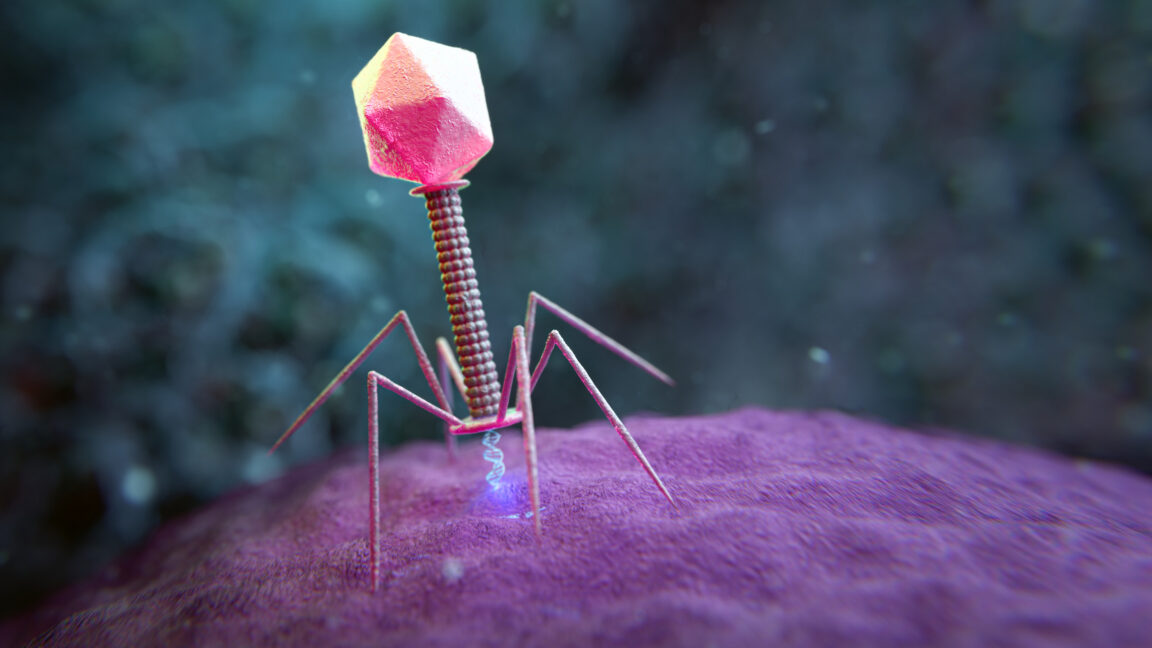
Photo from Ars Technica (Science) accompanying coverage of this story Tech

AI just created a virus not found in nature, and scientists are worried

Stanford-affiliated researchers used AI models called Evo to design 16 viable bacteriophage viruses capable of killing E. coli, including antibiotic-resistant strains, with some sequences acquiring additional mutations after being inserted into bacteria. The research was conducted in a secure lab with safeguards in place, but Johns Hopkins researchers and other experts raised biosecurity concerns, warning that new disease-causing viruses should not be pursued and calling for urgent attention to biosafety questions.

Coverage split 12 · 38 · 50
Left 1 source

AI used to create viruses not found in nature for first time

Al Jazeera English frames the story around dual hopeful/concerning implications, emphasizing expert caveats that the current achievement is far from creating complex, dangerous pathogens, and situates the story within broader AI safety concerns (citing an unrelated UK AI Security Institute report on rogue AI behavior) and Trump's AI regulatory approach.

Al Jazeera English

Straight, sourced Read at Al Jazeera English →
Center 3 sources

Large genome models used to design new viruses

Ars Technica, Axios, and Scientific American give the most technical, in-depth coverage, explaining the Evo 1/Evo 2 models, the ΦX174 test case, the biochemical process, and viability statistics, while also flagging biosecurity risks and governance gaps; Axios adds a political angle tying the story to Trump administration gain-of-function policy and Rand Paul's Fauci contempt vote.

Ars Technica (Science)

Straight, sourced Read at Ars Technica (Science) →
Right 4 sources

AI used to design brand new viruses — but experts fear a lot could go wrong: ‘Urgent biosafety questions’

New York Post frames the story primarily around biosafety fears and 'urgent' biosecurity questions raised by experts, quoting Johns Hopkins researchers warning that harmful viruses 'should not be pursued,' while also noting Stanford's safeguards and secure-lab precautions.

New York Post

Straight, sourced Read at New York Post →

Every source

8 sources · 8 articles
Skip the source list ↓
← Back to today