
Peptides get their regulatory closeup
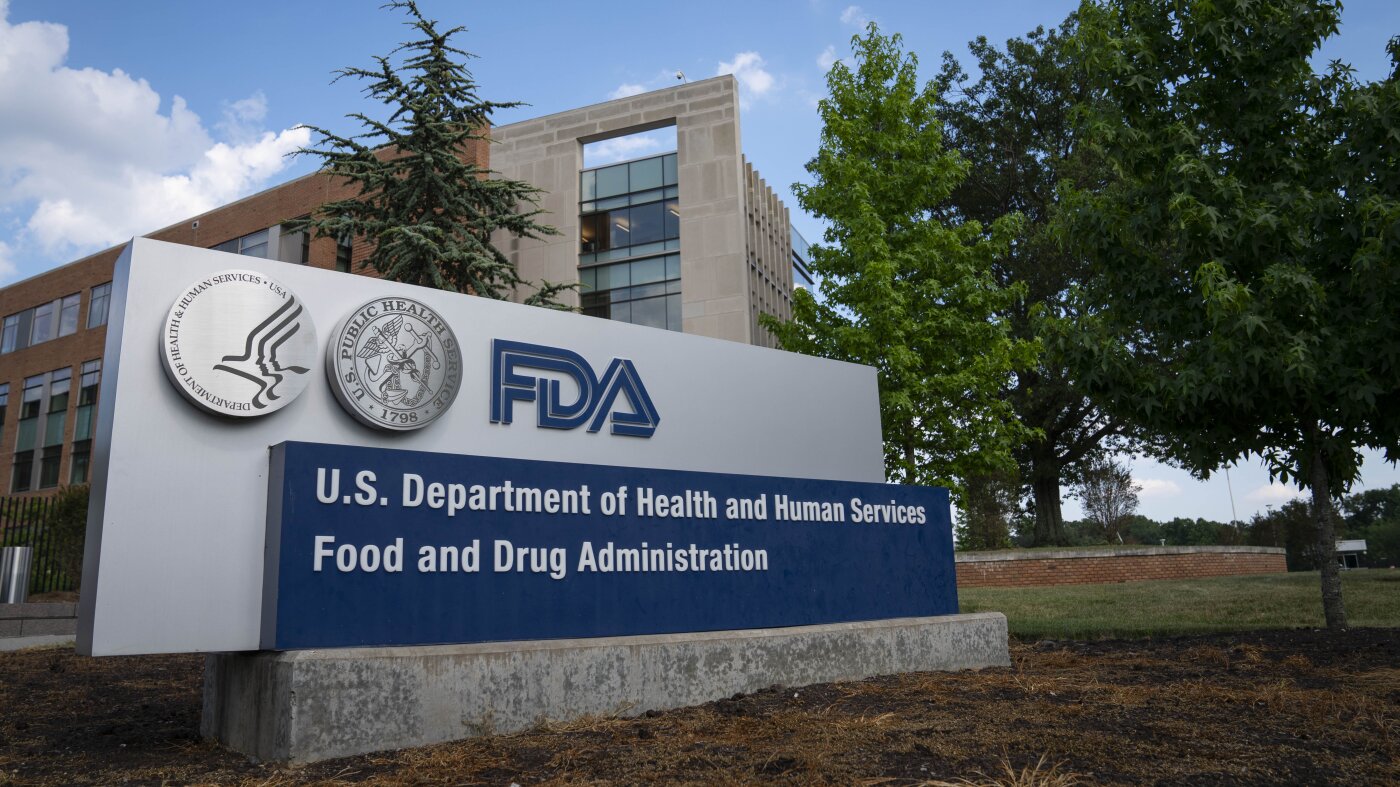
An FDA advisory panel, the Pharmacy Compounding Advisory Committee, held a two-day meeting to evaluate seven injectable peptides, including BPC-157, TB-500 and MOTs-C, considering whether compounding pharmacies should be allowed to produce them, though none of the compounds has undergone the large-scale trials required for standard FDA drug approval. FDA career scientists recommended against allowing compounding pharmacies to produce any of the seven peptides, noting the supporting evidence comes mainly from animal studies with limited human data. The peptides are widely marketed in the wellness industry for uses such as injury recovery, muscle growth, fat loss and metabolism, and current restrictions dating to the Biden administration have been linked to a gray market of overseas suppliers. Health Secretary Robert F. Kennedy Jr. has publicly advocated loosening restrictions on peptides, and in June the FDA overhauled the advisory committee's membership to include more people with industry ties. The panel was tasked with reviewing evidence for using the peptides in specific conditions, including migraines, ulcerative colitis, opioid withdrawal and wound healing, though FDA reclassification would let clinicians prescribe them beyond those specific uses.
Coverage blindspot · the right isn't covering this
FDA panel considers easing peptide restrictions
The right is silent
No right-of-center outlet in our set has published this story.
Blindspot
Every source
2 sources · 3 articles-
The New York Times
Lean Left -
NPR
Center