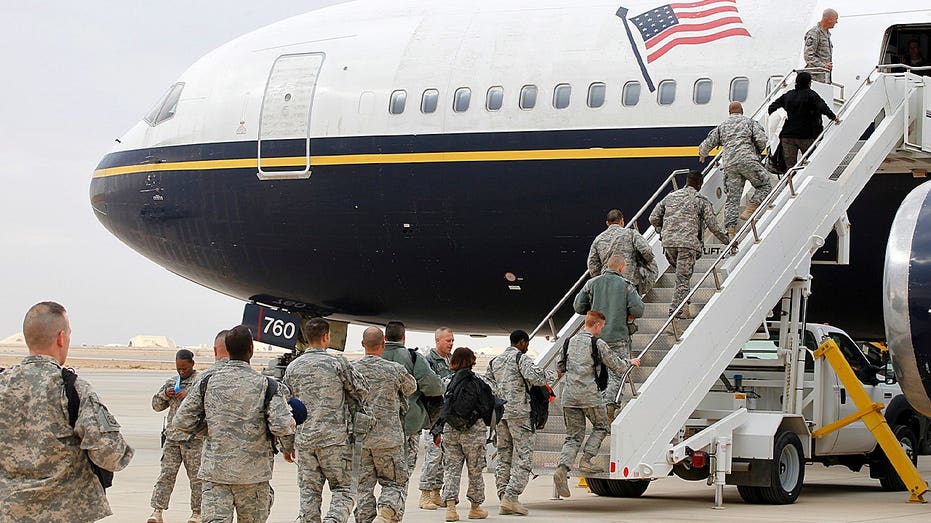
The United States and the United Kingdom have completed the withdrawal of their remaining troops from Iraq, closing out a military mission that had lasted more than a decade.n ull. BBC News headlined it "Last UK and US troops leave Iraq as anti-Islamic State mission ends". Le Monde (English) headlined it "US-led coalition against IS ends mission in Iraq".
The departure marks the formal end of the coalition campaign against the Islamic State, carried out under an agreement reached in the prior year. Breitbart headlined it "U.S. Formally Ends Anti-ISIS Mission in Iraq and Brings Troops Home".
Assessments of the remaining threat from the group have varied. One accounting pointed to a United Nations estimate describing a much reduced Islamic State force capable only of limited, unsophisticated attacks. BBC News noted: "A recent UN report estimated that sustained counter-terrorism pressure by Iraqi security forces had left IS with several hundred fighters who were "1able to carry out unsophisticated operations only"." Another account cited testimony from a military commander describing a steep decline in attacks since the prior year, reaching the lowest level in roughly a decade. Fox News said: "CENTCOM Commander Adm. Brad Cooper told lawmakers in May that ISIS attacks in Iraq and Syria had fallen 70% since 2023 and were at their lowest level since 2013."2
Even as officials pointed to that decline, concerns persisted about what could follow the withdrawal. Reporting pointed to the possibility that power could shift toward Iran or Iran backed militias in the absence of American forces. The Washington Post headlined it "U.S. withdraws forces in Iraq as balance of power shifts to Iran".
The withdrawal also drew attention to the costs of the long American presence in Iraq. One account described civilian casualties and drone strikes viewed as violations of Iraqi sovereignty as factors that had periodically fueled protests against the American intervention. Vox wrote: "Large numbers of civilian casualties, as well as drone strikes that were seen as violations of Iraq’s sovereignty, have also fueled periodic Iraqi protests against American intervention."3
One analyst argued that Washington retains considerable non military means of influence. ""The US has significant tools at its disposal beyond security and war," says Pahlani.", Reason said.
The withdrawal occurred against a broader regional backdrop that included continuing tensions involving Iran.

